Enterprise
Building Alongside Leading
2002
Gennex
Technology
2008
Essential Events Management
Events & Experiences
Today
Aidiation
Procurement & Enterprise Transformation
Three ventures across two decades. Different industries, consistent fundamentals: strategy, systems, suppliers, teams and delivery.
Principal Current Focus
PROCUREMENT. RE-IMAGINED.
Aidiation
Aidiation is an international procurement and supply-chain platform connecting strategic definition, procurement strategy, sourcing and award, mobilisation, performance and lifecycle value. It is my principal current focus — the convergence of almost three decades of procurement, systems and commercial experience.
The platform supports organisations across Saudi Arabia and the UAE navigating the procurement and supply-chain demands of Vision 2030 and the wider regional transformation. Work spans infrastructure, healthcare, energy, defence and public sector — bringing together sector experience, commercial discipline, technology and specialist partnerships.
Visit aidiation.comSectors
Strategic Definition
Procurement strategy, market analysis and commercial framework design.
Sourcing & Award
Tendering, evaluation, negotiation and contract award across complex categories.
Mobilisation
Establishing procurement functions and programmes from first principles.
Technology & AI
Digital procurement, e-sourcing and AI-enabled decision support.
Lifecycle Value
Performance management, contract optimisation and long-term value realisation.
Transition to Steady State
Handover, knowledge transfer and operational embedding.
International Platform
UK · UAE · Saudi Arabia
Operating Across Three Regions
Aidiation's reach spans the UK, the UAE and Saudi Arabia — each representing a distinct operating context, regulatory environment and procurement maturity. The regional presence is built on relationships, verified delivery and the ability to operate effectively across cultures and organisational structures.
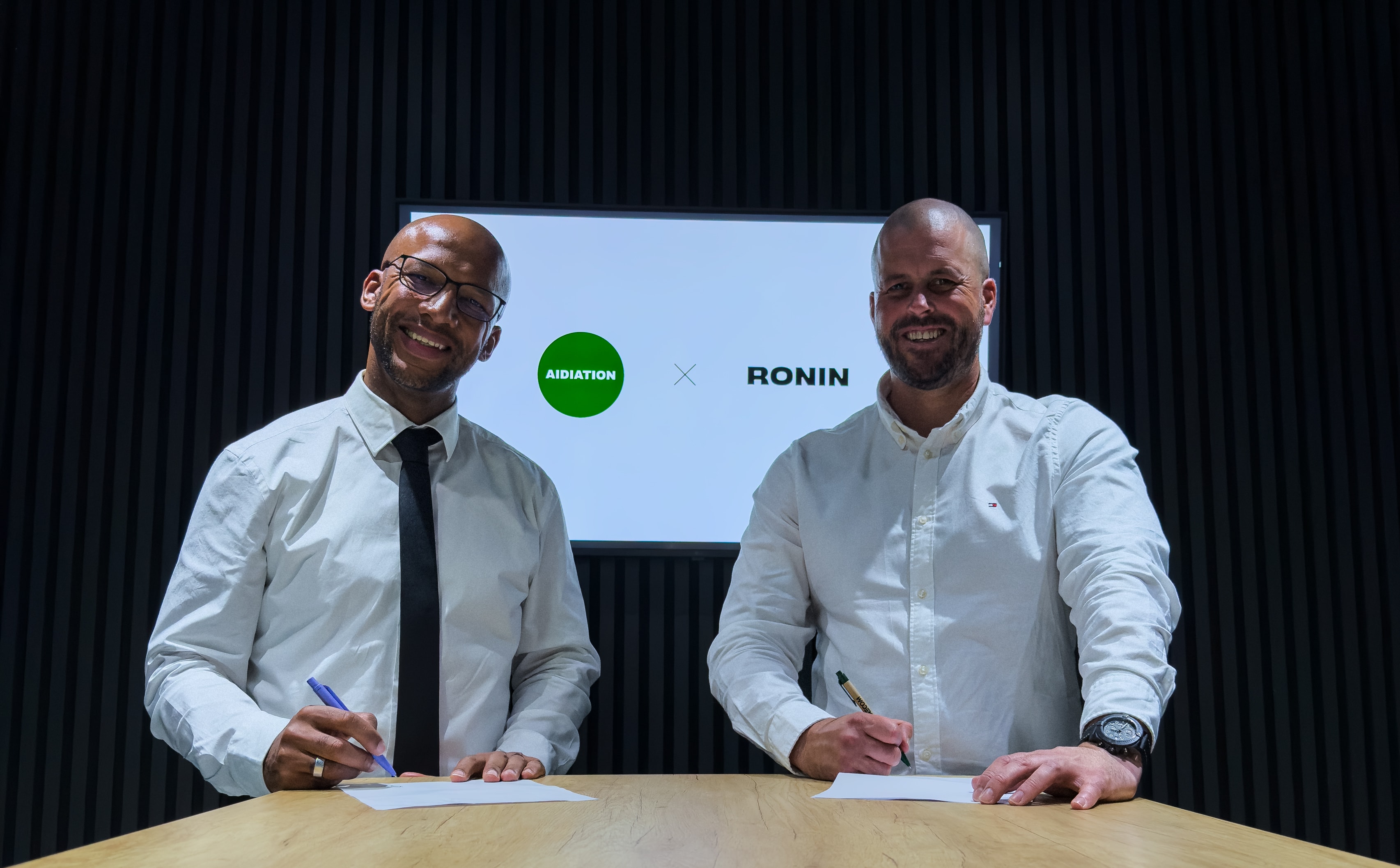
United Kingdom
Origin market. Gennex systems work and early procurement transformation. Ongoing UK partnerships and business development.
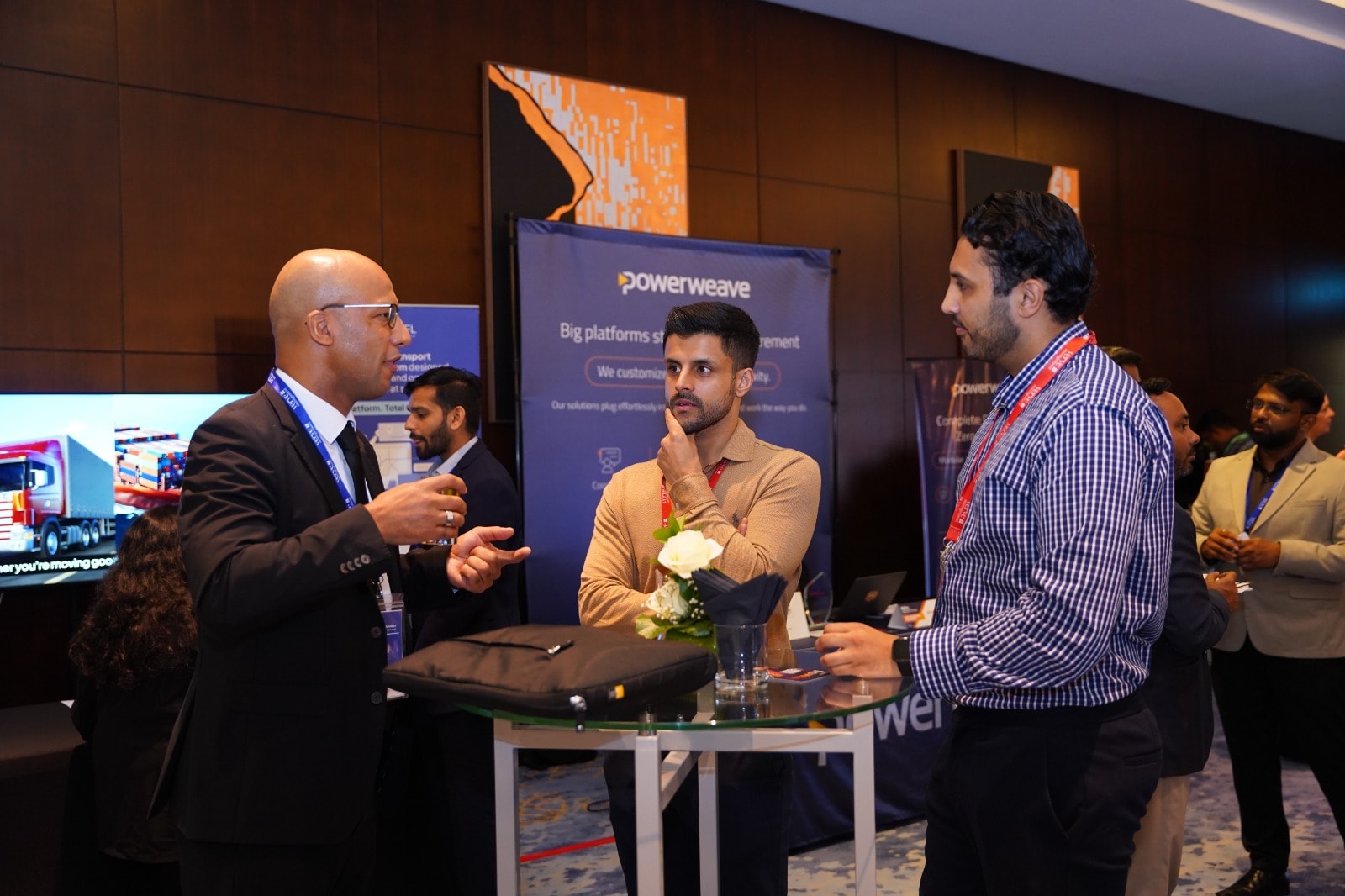
United Arab Emirates
Established through Abu Dhabi healthcare and infrastructure work. Procurement and supply-chain leadership across complex programmes.
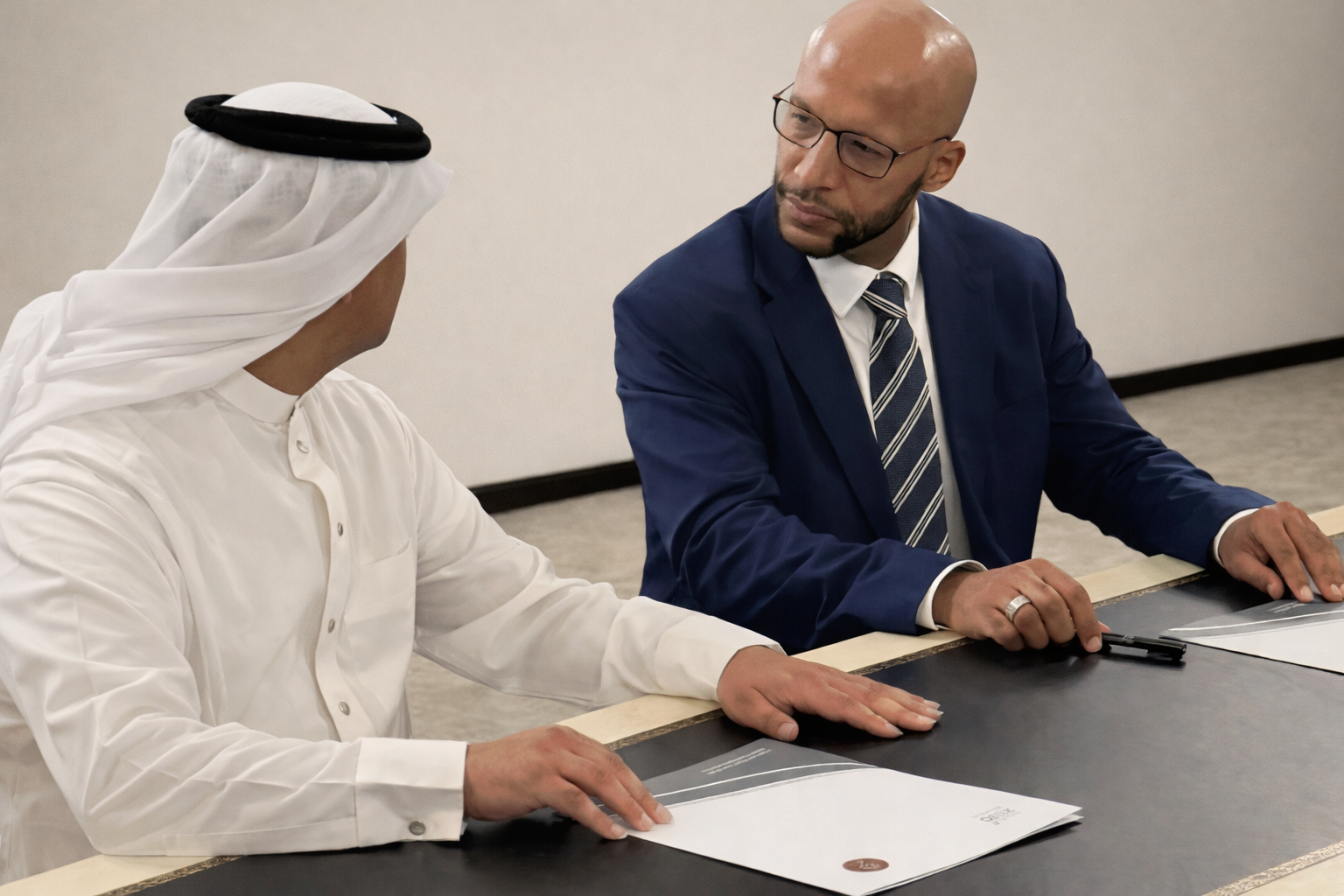
Saudi Arabia
Principal current operating base. Aidiation founded in Riyadh. Vision 2030 procurement and supply-chain advisory.
Events Platform
PRODUCING ESSENTIAL EVENTS
Essential Events Management
Established in Sydney in late 2008 by Jody Ade Coker and Dave Wright.
Essential Events Management was built from Sydney as a production and events platform — creating, producing and promoting events across music, social experiences and cultural programming. The long-running MCA New Year's Eve programme became a signature of the business, with the first documented Gorgeous NYE at the Museum of Contemporary Art on 31 December 2010.
EEM developed international collaborations and has been building toward UK and Middle East activity. It remains the Australian-established events business developing its Saudi and GCC next chapter.
Event Creator · Producer · Promoter · Programmer · Experience Builder
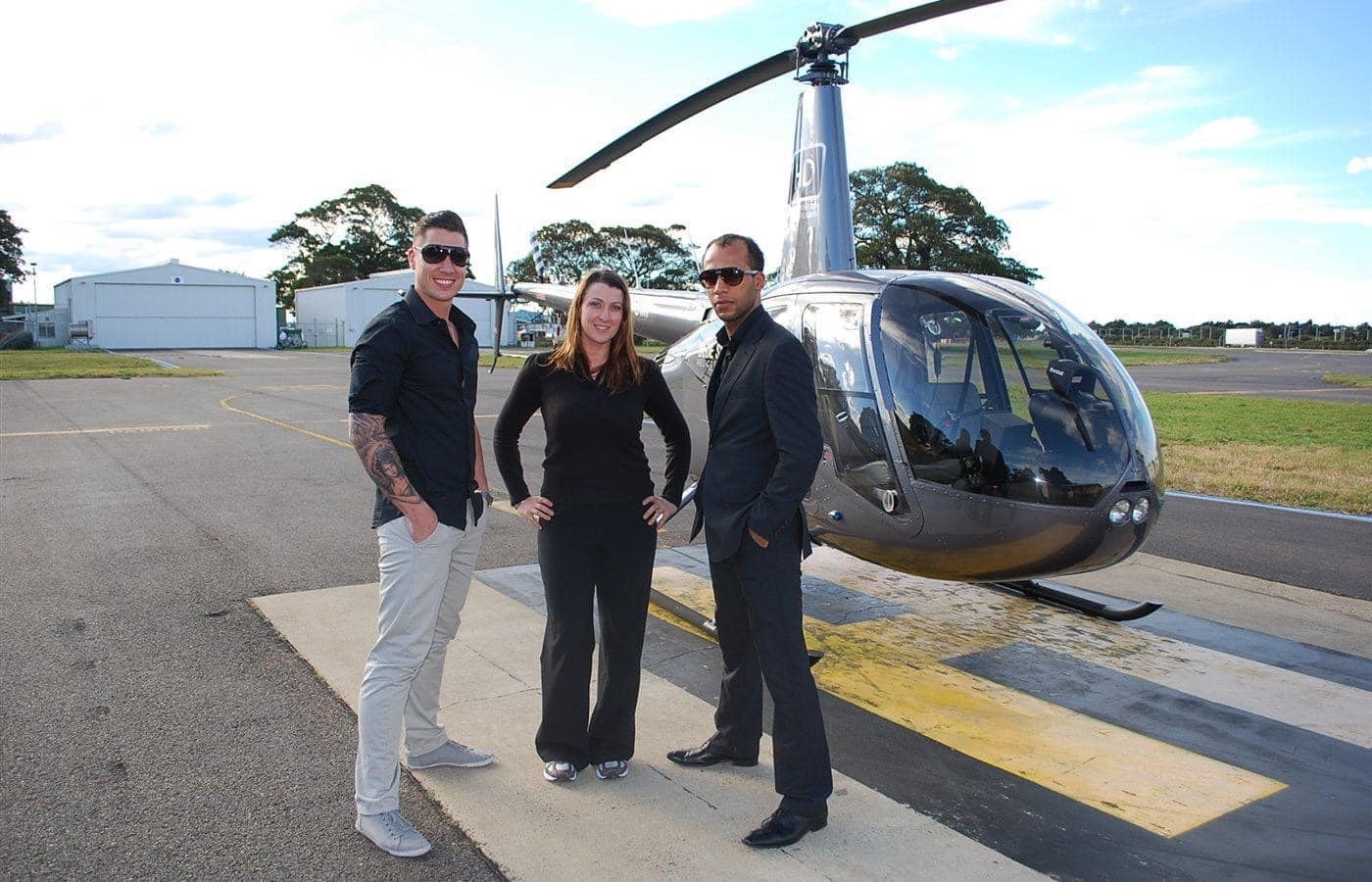
Dave Wright, Lauren Ellingham and Jody ahead of the aerial MCA promotional shoot.
Curated Event Selection
Sydney · Manchester · 2008 onwards
Shipwrecked
Shipwrecked began with Sydney boat parties in 2008 and expanded across island, beach and club formats. A one-off Manchester edition occurred before the concept returned to Sydney. The format demonstrated the ability to move a brand across geographies and venue types while maintaining its identity.
Sydney · Launched 20 November 2010
Gorgeous
Gorgeous launched on 20 November 2010. The first documented Gorgeous NYE was held at the Museum of Contemporary Art on 31 December 2010 — the beginning of a long-running MCA New Year's Eve programme that became a signature of the EEM portfolio.
Australia · Co-founded
Silent Disco King Australia
Silent Disco King Australia was established by Jody and Lauren. Jody owned 50% and later sold his interest to Lauren, who continues to run the successful business. The venture demonstrated the ability to identify a format, build a brand and develop a sustainable operation.
First Venture
Gennex
2002
The Gennex partnership with Richard Giles — begun in 2002 — continues through Aidiation today. The same fundamentals: systems thinking, implementation discipline, commercial application.
Gennex was co-founded with Richard Giles in 2002 — a colleague met at Sheffield Hallam University. The venture developed an estimating and tendering system for the construction and manufacturing sectors, addressing the manual, error-prone processes that characterised the industry at the time.
My role spanned business development, coordination of the development team and direct client implementation. The experience of building a technology product from the ground up — defining it, selling it, delivering it and supporting it — established a set of disciplines that have shaped every subsequent venture. The systems-implementation thinking from Gennex runs directly into the procurement-technology and digital-transformation work that followed, and into the Aidiation partnership with Richard Giles more than two decades later.
Case Studies
Cross-Sector Work
Four case studies drawn from different ventures and phases. Commercially sensitive details are anonymised where appropriate.
Enterprise Case Study — Technology & Systems — Gennex
Building and Deploying an Estimating System
Context
Construction and manufacturing firms in the early 2000s relied on manual estimating. Errors were common, turnaround was slow and the data generated was rarely captured usefully.
Challenge
Design, build and deploy a software system capable of handling the complexity of construction and manufacturing estimates — as a small founding team with no established client base and no prior product.
Role
Co-founder. Business development, development-team coordination and direct client implementation.
Approach
Process-first: mapped how estimating actually worked in target sectors before writing code. The system was designed around that process. Implementation was hands-on — working directly with clients to configure, train and resolve issues in real time.
Result
A working product deployed with clients in construction and manufacturing. The business generated revenue and provided a foundation for subsequent work in systems implementation and procurement technology.
Lessons Learned
Starting with the process before the technology produces better systems and faster adoption. The discipline of building from nothing — defining, selling, delivering and supporting — is different from working within an established organisation, and the experience has informed every implementation since.
Enterprise Case Study — Procurement Transformation — Buy-to-Pay
e-Sourcing and Buy-to-Pay Programme
Context
A large UK organisation with significant indirect and direct spend was operating procurement through fragmented, largely manual processes. Spend visibility was limited and accounts-payable was generating significant overhead.
Challenge
Design and deploy an e-sourcing and Buy-to-Pay programme that would standardise procurement, improve spend visibility and reduce sourcing and payment cycle costs — while managing the organisational change required to make the new processes stick.
Role
Procurement transformation lead. Programme design, technology configuration, stakeholder engagement and implementation management.
Approach
Phased: process mapping and gap analysis first, then technology configuration, then piloting with selected categories before broader rollout. Stakeholder engagement was treated as a workstream in its own right — not an afterthought.
Result
Improved spend visibility, reduced sourcing cycle times and a more consistent procurement process. The Buy-to-Pay implementation reduced manual intervention in accounts-payable and improved supplier payment performance.
Lessons Learned
Technology-led transformation succeeds when process design precedes technology selection, and when change management is treated with the same rigour as the technical implementation. Organisations that skip process mapping tend to automate their existing problems.
Enterprise Case Study — Events — Brand & Format Development
Building the Gorgeous MCA Programme
Context
Sydney's New Year's Eve market was dominated by large-scale public events. A gap existed for a curated, premium indoor experience at a culturally significant venue.
Challenge
Establish a new event brand at the Museum of Contemporary Art, build an audience from scratch and develop a repeatable format that could sustain a long-running programme.
Role
Co-producer and promoter. Concept development, venue relationship, production management, marketing and audience development.
Approach
The MCA setting was central to the brand positioning — the venue's cultural credibility was the product's primary differentiator. Programming, production quality and audience experience were treated as inseparable. Each edition built on the last.
Result
A long-running MCA New Year's Eve programme that became a signature of the EEM portfolio. The Gorgeous brand sustained multiple editions and established EEM's reputation for quality production.
Lessons Learned
Venue selection is brand strategy. In events, the setting communicates before the programme does. Building a repeatable format requires treating each edition as both a standalone event and an instalment in a longer story.
Enterprise Case Study — Mobilisation — Healthcare Programme
Healthcare Procurement Mobilisation and Transition to Steady State
Context
A major healthcare facility in the UAE was in the mobilisation phase — moving from construction and commissioning into operational readiness. The procurement and supply-chain function needed to be established, staffed, process-enabled and operational before the facility opened.
Challenge
Mobilise a procurement and supply-chain function from first principles within a defined programme timeline, then manage the transition from mobilisation into steady-state operations — within a complex, multi-stakeholder environment with significant regulatory and clinical requirements.
Role
Procurement and supply-chain leadership. Function design, team mobilisation, process implementation, supplier engagement and transition to steady state.
Approach
Three parallel workstreams: people, process and systems. The transition to steady state was planned from the beginning of mobilisation — not treated as a separate phase — so the function was designed to operate independently from day one of live operations.
Result
The procurement and supply-chain function was operational at facility opening. Supplier contracts were in place, the team was trained and the processes were embedded. Transition to steady state was managed without significant disruption to clinical operations.
Lessons Learned
Mobilisation programmes succeed when the end state is defined before mobilisation begins. In complex, multi-stakeholder environments, the quality of stakeholder alignment is often the binding constraint on programme pace.
Common Fundamentals
Different Industries. Similar Delivery Problems.
The disciplines that make a procurement programme succeed are the same disciplines that make an event succeed. The context differs; the fundamentals do not.
Strategy · Systems · Suppliers · Teams · Delivery
Strategy
Defining the objective and the path to it before committing resources.
Systems
Building the processes and tools that make delivery repeatable.
Suppliers
Managing the external relationships that determine whether delivery succeeds.
Teams
Assembling, aligning and leading the people who do the work.
Delivery
Executing under pressure and managing the gap between plan and reality.
Now
Riyadh
Aidiation is the principal current focus — procurement and supply-chain advisory across Saudi Arabia and the UAE, positioned at the intersection of Vision 2030 demand and almost three decades of international delivery experience.
Essential Events Management remains the Australian-established events business, developing its Saudi and GCC next chapter from a base of proven production capability and long-running programme experience.
Start a Conversation